

Reveal Your Perfect Shade: A Simple Guide to Hair colour Theory
Your Ultimate Guide to Finding the Perfect Hair colour
Choosing the right hair colour is more than just picking a shade; it also requires understanding how colours interact and how they complement your skin tone. A colour wheel and hair colour guide can help you make informed decisions and choose the right shade. This guide will help you navigate the necessary steps to get the look of your dreams, whether you’re colouring your hair at home or in a salon.
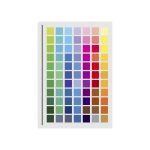
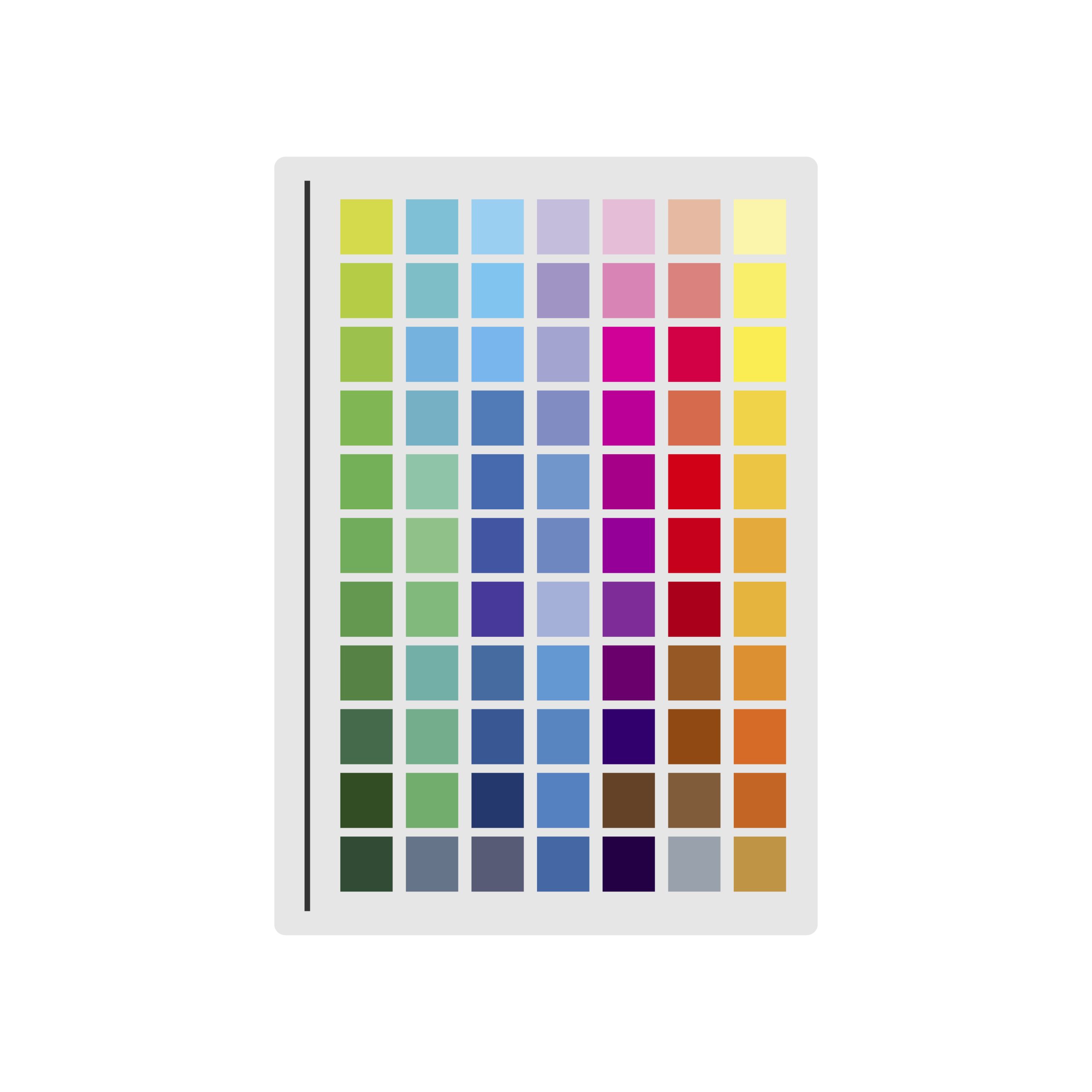
Hair colour chart
When selecting or changing your hair colour, a hair colour chart is essential. It shows a variety of colours in neutral, chilly, and warm tones. The chart includes the following typical hues for natural hair:
Blonde
- Warm Reds: Ginger, Bright Copper, Strawberry Blonde, Auburn, Warm Cinnamon, Scarlet Red
- Cool Reds: Cherry Cola, Raspberry, Burgundy
- Other shades: Apricot, True Red, Scarlet, Amaretto, Ruby Fusion, Garnet, Plum, Chocolate Cherry, Midnight Ruby, Reddish Brown, Red Hot Cinnamon
Gray
- Cool Gray
- Blue Gray
- Glaucous
- Dark Gray
- Charcoal
- Ash Gray
- Battleship Gray
- Light Gray
- Medium Gray
- Gunmetal Gray
- Pewter
- Slate Gray
- Stone Gray
- Silver
- Storm Cloud
- Platinum
- Sage Green
- Smoke
- Steel Gray
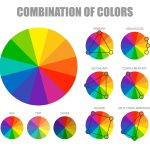
How to use the colour wheel for hair dye
Knowing the colour wheel makes it easy to choose hues that complement your skin tone.
First, examine the veins on your wrists to establish your skin undertone: a mix suggests a neutral undertone, blue/purple veins indicate a cold undertone, and green veins indicate a warm undertone.
Next, be aware that those with warm skin tones may choose to use copper, auburn, or golden blonde dyes. Cool tints, such as lilac or ash blonde, look better on those with cool undertones. Anyone with neutral skin undertones will look good in any colour.
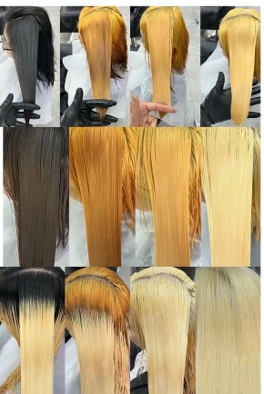
Whenever you dye your hair, try not to go more than two shades lighter or darker. If you have dark hair and want to get ash blonde, you will need to undergo numerous sessions. To avoid damaging your hair and achieve the best results, seek the advice of a professional hairdresser.
How to get your dream colour
Choosing a nice hair colour that compliments your complexion is simple. The right hues and tones allow you to achieve the hair colour of your dreams, whether you do it at home or in a salon. The following should be taken into consideration:
- Your hair’s current colour
- Your preferred hue
- Become darker or lighter
- Use the hair colour wheel to determine the best colours to add to the formula for the desired effect. To obtain the desired look, consider the neutralising tone and underlying pigment.
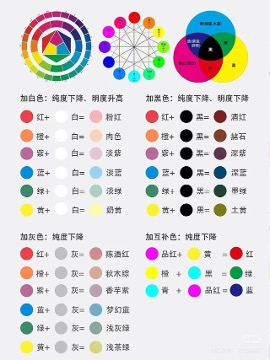
Here’s a quick guide:
- Light pale blonde hair: light pale yellow (underlying pigment) and light pale violet (neutralising tone)
- Light blonde hair: pale yellow (underlying pigment) and pale violet (neutralising tone)
- Blonde hair: yellow (underlying pigment) and violet (neutralising tone)
- Medium blonde hair: yellow-orange (underlying pigment) and blue-violet (neutralising tone)
- Dark blonde hair: orange (underlying pigment) and blue (neutralising tone)
- Light brown hair: orange-red (underlying pigment) and blue-green (neutralising tone)
- Medium brown hair: red-orange (underlying pigment) and green-blue (neutralising tone)
- Dark brown hair: red (underlying pigment) and green (neutralising tone)
- Darkest brown hair: dark red (underlying pigment) and dark green (neutralising tone)
- Black hair: dark red (underlying pigment) and dark green (neutralising tone)

Using beautifully coloured clip-in extensions that complement your natural hair is an excellent alternative to colouring your hair. Without dyeing your hair, extensions are a fashionable and pleasurable way to boost your lowlights and highlights.
Your hair is always your biggest asset. It needs regular care and attention to stay vibrant, healthy, and beautiful. Dimension, depth, and glow can be improved by using colour or highlights. You may get the most out of dye by selecting the ideal shade and tone for your hair by using the hair colour wheel to understand the relationship between hues.